











Michelle Szobody’s Residency with Guillemot Press – Emerging Poets in Residence Programme
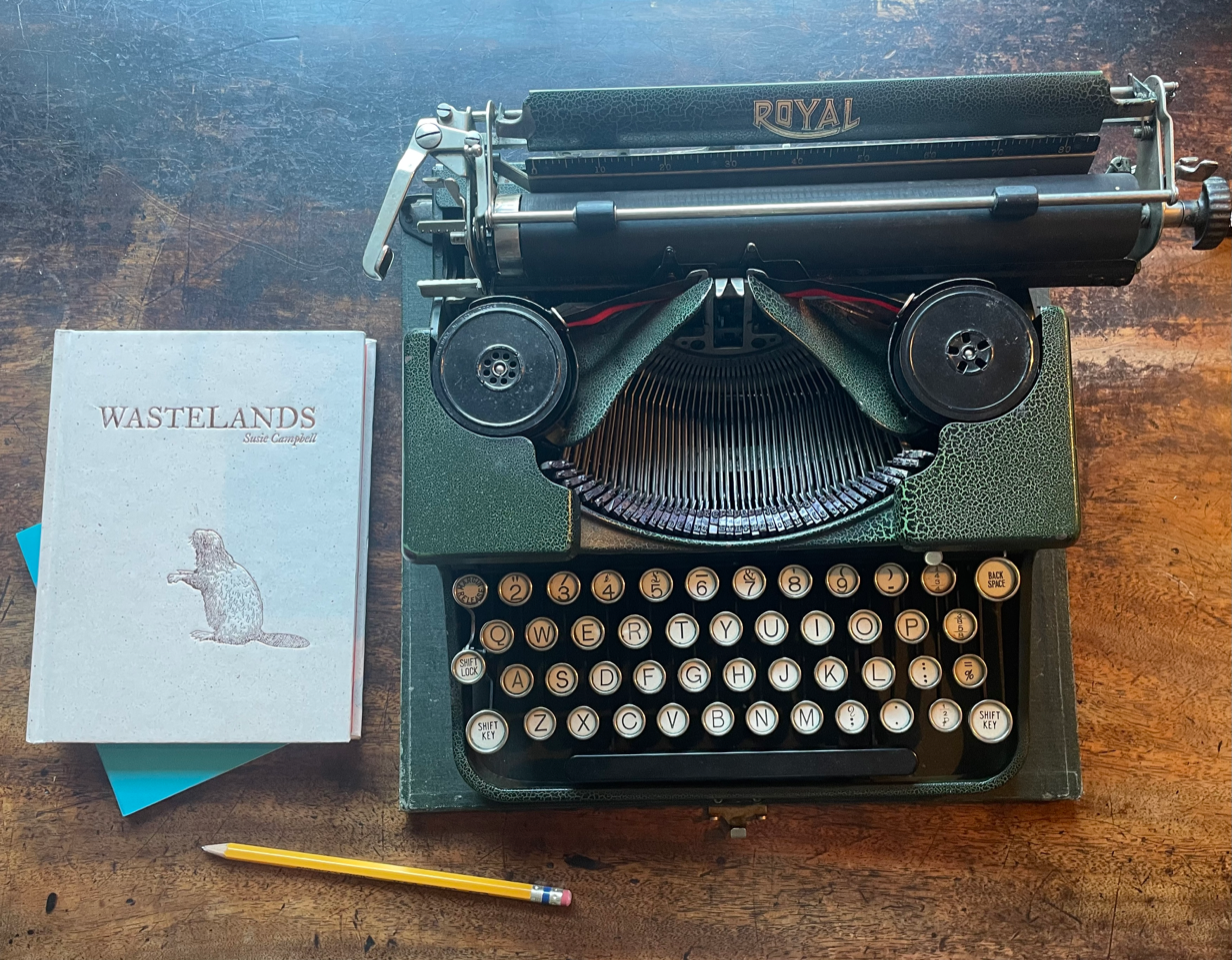
The Guillemot residency is a week I’ll remember through a gauze of rain and silvery light. Cyprus Well was the perfect place to squirrel away for a bit of Cornwall’s wettest winter on record — exploring historic Launceston, wandering Bodmin Moor with my husband in the hail, meeting with the generous Luke Thompson for mentorship, reading a pile of books, and, of course, writing.
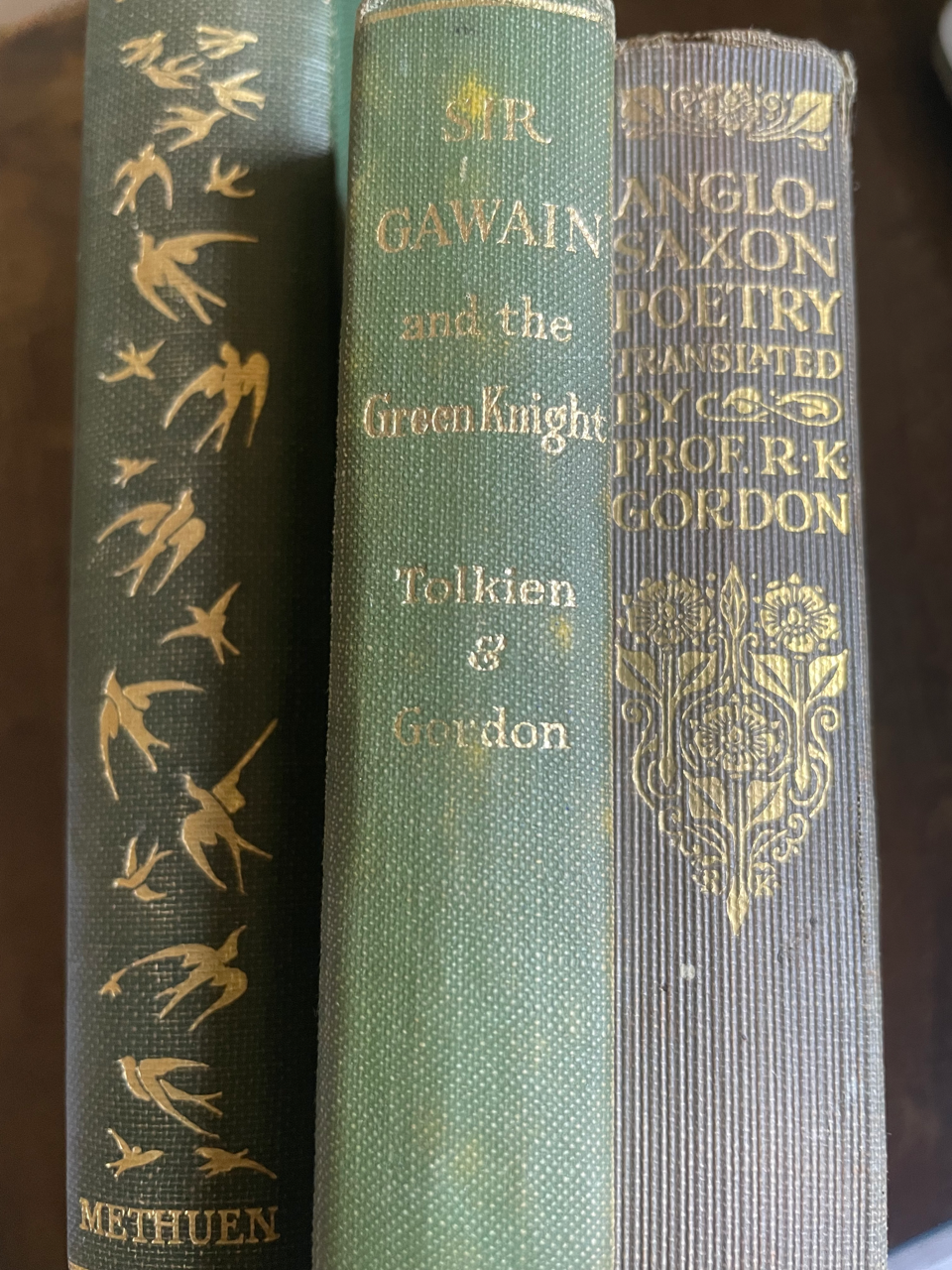
Knowing the importance of place to Charles Causley’s poetry, I decided to let his home guide my work on the residency and enjoyed perusing his medieval influences. His draft of ‘Sigurd’s Well’ displayed upstairs begins, ‘My home, named for the Saxon spring’. After considering his collected poems, the copious notes scrawled in the margins of Sir Gawain and the Green Knight, and his version of Aucassin and Nicolette, I felt drawn to translate some of the riddles from the Exeter Book.
Copied down over a thousand years ago, there are nearly a hundred of them. Some are otherworldly, some half erased by fire damage, others full of double entendres. Their playful echoes and juxtapositions make them a pleasure to work with, as if they give permission for a certain amount of translator’s license.
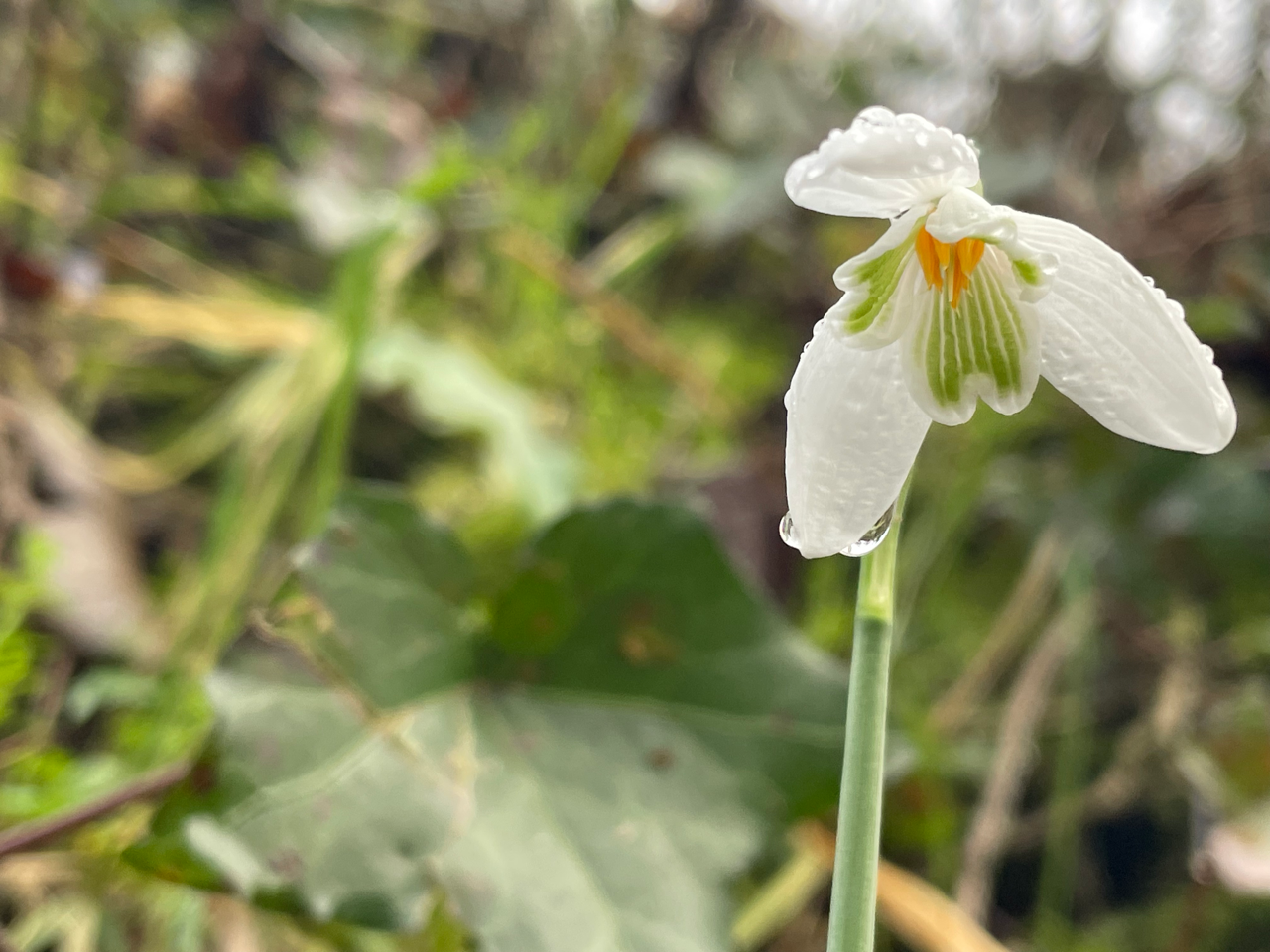
Causley’s time in the navy, the lush Cornish snowdrops, a tree full of rowdy jackdaws, and a starling murmuration over the moor led me to three in particular. The manuscript doesn’t include titles or solutions, which is part of the fun. I’ve labelled them with snippets of the Old English text to give a feel for the original. How would you solve them?
A being glided in upon a swell —
beguiling, brutally beautiful.
Her keel-throat called out to the cliffs,
and her laughter struck the shores and shook them,
tumbled up and down the coasts.
This was a ravager unhurried in her war-work.
She whetted her blades for hacking into strakes
and shackled ships with curse-runes,
and when they were splintered and sealed in,
the warlock boasted of her own beginnings.
My mother, most desirable of women,
is also my daughter, reborn many times.
From age to age, across the earth,
you human-folk will always thirst
for the matron-maiden, her flowing grace.
I saw a soul floating on the waves. She wore woven light, a sapphire robe.
Skilled in the ways of shifting shapes, she was water become bone.
An ice-floe is the accepted solution for both of these. In the first one, the daughter giving birth to her mother describes the way that water freezes and then melts again — a little riddle within a riddle.
Here’s another:
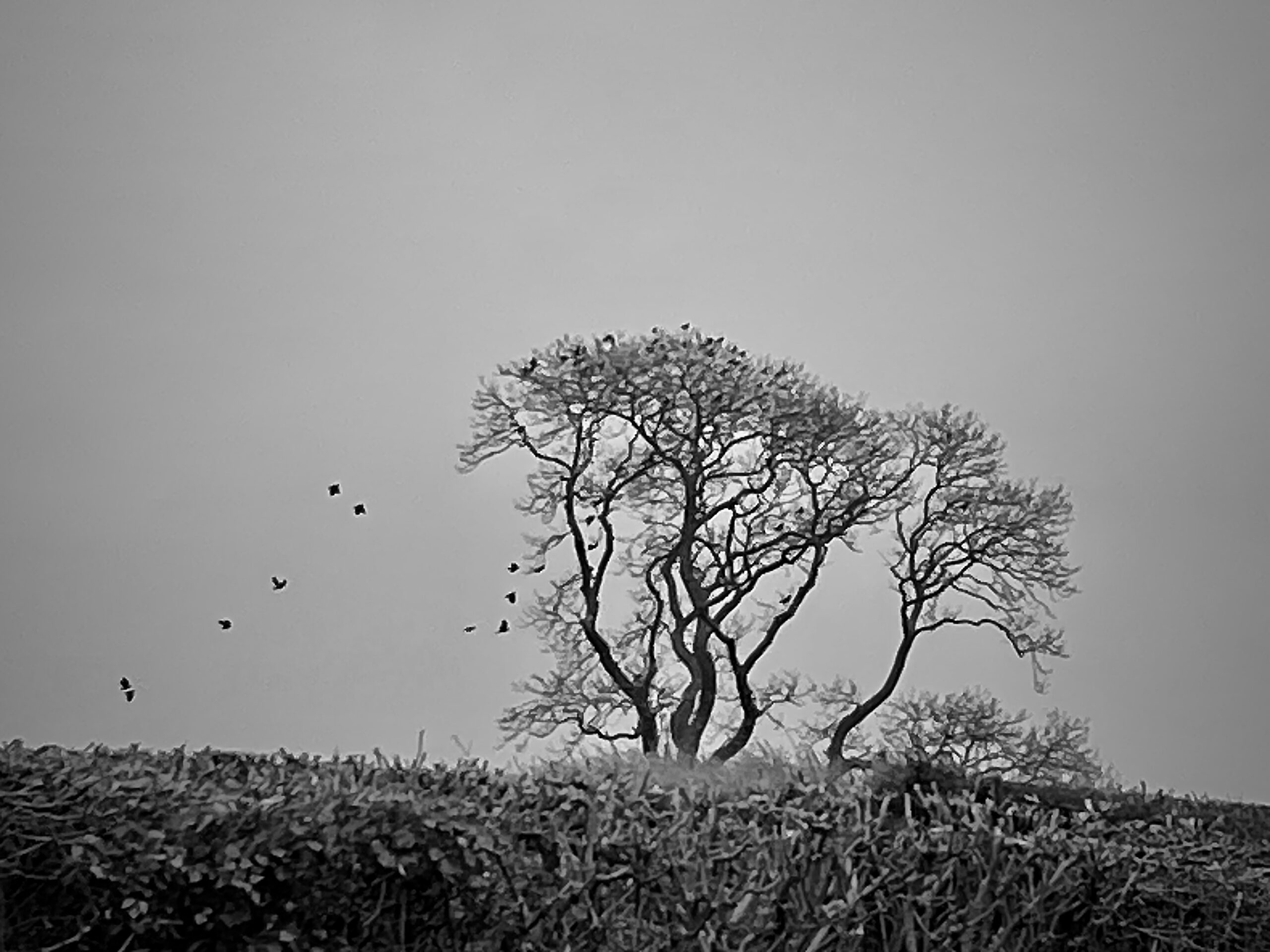
The sky seethes with little lives.
Bright black, they trail stark cloaks, spilling songs
over the brow of the scarp.
They skip across the sheer faces of the tors
or skim between the city eaves at dusk,
a throng swift and shrieking —
little lives announcing their own names.
Scholars have come up with a long list of possible answers for this one, including everything from bees to hail to letters, but as you’ve probably guessed, for me, swifts fit the description best. If you’re interested in the original, the Exeter Book can be viewed here. For more on the riddles, this interactive video is a good place to start. And don’t forget to check out the wonderful Guillemot press.
Thanks again to Luke and the fabulous Nikky Nuttall to for this opportunity. I’m grateful to have met so many lovely people in Launceston and hope to be back in May for the poetry festival!